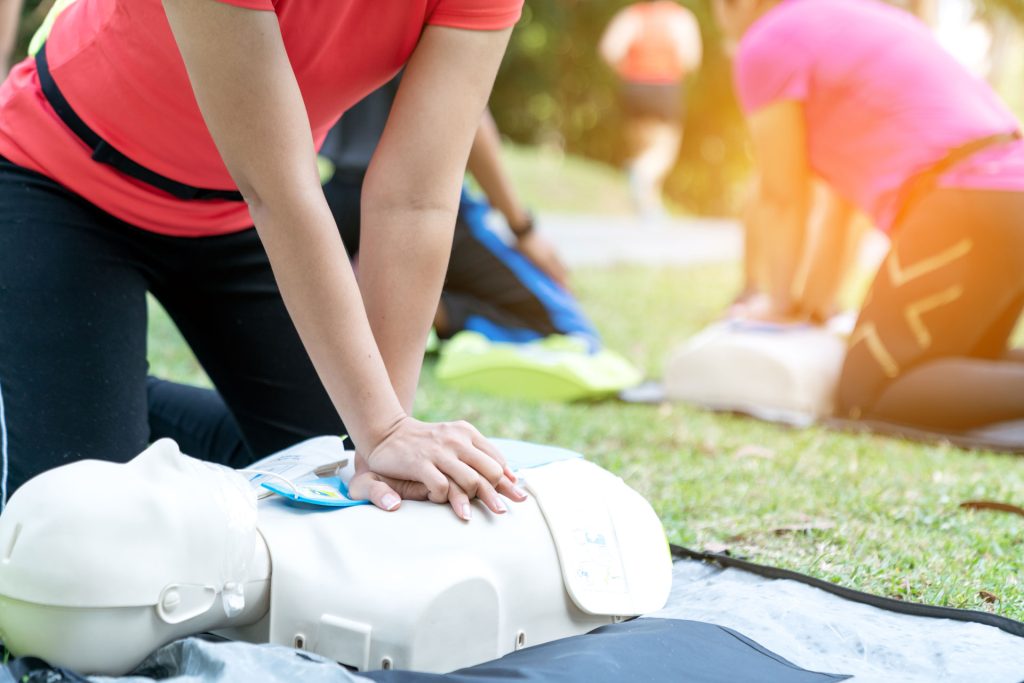
People normally begin looking for a fast first aid course near me after a scare. A youngster chokes at dinner. A colleague collapses at the office. An elderly moms and dad insinuates the shower. You walk away thinking, quietly and annoyingly, "If that had gone badly, would certainly I have recognized what to do?"
A fast first aid or express CPR course can be a smart way to obtain educated quickly. The issue is that not all fast first aid courses are equivalent. Some compress well designed combined discovering right into a short window. Others are simply hurried talks that tick a box, print a first aid certificate, and leave you unsteady when it really matters.
I have taught first aid and CPR training for several years, from complete workplace courses to express childcare first aid and fast CPR refresher courses. One of the most common error people make is choosing based upon speed and price alone. A better method is to ask the best concerns before you book.
Below are ten concerns that divide a solid fast first aid training alternative from something you will certainly regret.
1. How "fast" is it, and what does that time include?
Fast can indicate 2 extremely different things.
Sometimes fast first aid courses are truly reliable. You might finish an online concept module at home, then participate in a short, focused practical session. Your complete knowing time is still several hours, yet your time in a classroom is short. That can function exceptionally well, specifically for people with experience who are doing a fast certification or CPR refresher.
Other times fast actually indicates rushed. I have actually seen first aid and CPR courses loaded right into a 2 hour block, with twenty people sharing two manikins, almost no technique, and a fast quiz. Individuals go out with a card however really little muscle mass memory.
When you see "express first aid course" or "fast CPR courses" promoted, ask explicitly what that time consists of. Does the course duration count just face to face time, or exists pre course e discovering as well? If there is on-line material, the length of time does that typically take, and is it mandatory?
A trustworthy supplier will certainly be clear concerning overall anticipated learning time. For instance, a credible express first aid training layout may be 3 hours online plus 2 hours personally. A strong fast CPR correspondence course could be 1 to 1.5 hours online, one hour of hands on CPR training with analysis, then sign off.
If you hear something like "We can do your first aid and CPR in under an hour, no online job required," you are not obtaining complete training, you are getting a shortcut.
2. Is the course country wide identified and compliant?
If you require first aid training for job, childcare, medical care, or a particular industry, you can not rely upon a common "CPR classes available" message. You require to know if the first aid course is aligned with your local or nationwide regulator.
In many nations, workplace first aid courses must follow across the country identified systems of expertise. Childcare solutions usually need an express child care first aid course that satisfies stricter standards, consisting of asthma and anaphylaxis management. Hospitals and facilities may require certain first aid and CPR training classes that match expert standards.
Ask the service provider which formal course or unit you are registering in. For example, in some areas you may see codes or titles tied to work-related wellness guidelines. You want something that plainly links to your regional office or child care needs, not an obscure "fundamental life support" workshop without recognised status.
If the training organisation can not inform you exactly what device the fast first aid course or express CPR course maps to, and can not supply an example of the first aid certificate you will certainly get, that is an indication. A correct company will happily reveal you an example certificate, including its expiry duration and the standard it meets.
3. Who actually provides the training, and what is their background?
The person at the front of the space matters at least as much as the brand on the certificate. Two instructors with the very same slides can provide completely different understanding experiences.
In my experience, the most effective first aid and cpr course fitness instructors share 3 traits.
First, they have actual area experience. They have in fact taken care of emergencies, whether as paramedics, nurses, lifeguards, or seasoned initial aiders in high threat offices. That does not indicate they transform the course into a battle tale session, yet they can translate book skills right into actual conditions. As an example, they can clarify what you really do when you are the only responder in a cramped washroom with a heavy, subconscious person.
Second, they have solid teaching skills. Several of the least efficient cpr training I have seen was run by great clinicians who merely lectured. Fast first aid training needs concentrated assistance and repetition, not a details dump.
Third, they fit with inquiries and adapt to the group. In express first aid courses you commonly obtain a mix of complete newbies and individuals that have resat first aid courses many times. A knowledgeable fitness instructor will certainly keep both teams engaged.
When you speak with the service provider, ask who will certainly deliver the course and what their background is. You do not need a complete resume, yet you need to hear something greater than "they are completely certified." A trustworthy reaction may discuss clinical experience, years of teaching first aid and cpr training classes, or certain areas like childcare or sport.
4. The number of individuals are in each class, and how much hands on time will I get?
The two inquiries fit. It is inadequate to recognize that there are "sensible elements" in the course description. You need to understand if you will actually hang around doing upper body compressions, practicing healing positions, and rehearsing choking feedbacks under guidance.
In a tiny group, a fast first aid course can be remarkably efficient, due to the fact that each person cycles via abilities swiftly. You may do multiple rounds of CPR on adult and youngster manikins, revolve via bandaging, and practice circumstance based responses.
In a jampacked room, you may wait fifteen minutes just for a turn with the manikin, after that rush through a couple of compressions before your instructor needs to move the team on.
When you enquire about a fast first aid course near me, ask straight concerning numbers and tools. How many participants per manikin for the CPR courses? What is the maximum class dimension? Do they cap numbers reduced for express first aid or fast CPR courses, or is it a packed lecture?
If you really feel awkward asking this, remember that skills like CPR decay quickly. Research study recommends that CPR top quality begins to drop within months if you never technique. Your single most significant learning gain originates from genuine, physical technique time, not from seeing an instructor demonstrate.
5. What subjects are in fact covered, specifically in fast or express formats?
Fast first aid and cpr courses are frequently trimmed versions of longer courses. Trimming can be clever, or it can be unsafe, depending on what gets removed.
A fundamental work environment first aid course typically covers:
- CPR on grownups, youngsters, and frequently infants Unconscious breathing and non breathing casualties Choking, including back impacts and breast or stomach drives Bleeding, shock, and injury care Common clinical emergencies like cardiovascular disease, stroke, seizure, bronchial asthma, and allergic reactions
That checklist is among the two enabled lists.
An express first aid course might shorten several of these, or shift theory into an online component. For instance, an express child care first aid course may maintain full CPR and choking technique for babies and children in person, while relocating in-depth anaphylaxis plan material to e learning.
Trouble starts when "express" is used as an excuse to slice out essential content totally. I as soon as consulted with somebody that participated in a really brief fast first aid course and later on confessed, "We did not talk about stroke whatsoever, only CPR." For many workplaces, that is not acceptable.
Ask for a course synopsis. If you need a particular first aid and CPR training range for work, contrast the synopsis with your work environment or regulator demands. For child care, verify that the express child care first aid training consists of anaphylaxis, asthma, CPR for infants and kids, and realistic circumstances, not just a fast generic overview.
6. What is the assessment like, and will I in fact be tested on skills?
Assessment is not simply a hoop to jump via. A well developed analysis in first aid training offers you a possibility to prove to yourself that you can execute under mild pressure, with a person viewing and a time limit. It is the closest thing you will get to a rehearsal prior to a real crisis.
Fast first aid courses sometimes minimise analysis to "save time." That usually suggests a short numerous selection quiz, less useful scenarios, or practically no straight monitoring of your technique. That feels much easier in the minute, yet it threatens self-confidence later.
You desire a first aid and CPR course where:
You are analyzed doing continuous CPR on a manikin for a reasonable period, not simply a few compressions. Your fitness instructor enjoys your compression depth, price, and hand placement, and offers feedback.
You show the recovery setting, including checks prior to and after rolling the casualty. You exercise on a real individual, not just a demonstration.
You are given a minimum of one situation that integrates skills, such as discovering an unconscious individual, checking for threat, sending out for assistance, https://andresuubn857.trexgame.net/rate-fulfills-safety-the-benefits-of-fast-first-aid-courses opening up the respiratory tract, examining breathing, and beginning CPR.
Ask directly exactly how you will certainly be examined. If the response mentions just an online test, with no monitored functional evaluation, be cautious. Where possible, select fast first aid training that keeps solid, useful evaluation even if the concept is supplied quickly.
7. How long is the certificate legitimate, and what are the refresher options?
A fast first aid certificate is not a life time pass. Skills discolor, methods change, and work environments upgrade their demands. Before you publication, recognize both the credibility duration and the pathway for renewals.
In numerous territories, CPR parts are recommended or needed to be upgraded every twelve month, while complete first aid courses might stand for 3 years. Some childcare or combined CPR and first aid course high danger sector criteria are stricter.
Why does this matter when selecting in between fast first aid courses?
If you understand you will be restoring regularly, it deserves checking whether the same supplier offers a fast CPR correspondence course or express first aid refresher format that acknowledges your experience. A good provider will certainly allow knowledgeable students do more of the theory online and concentrate the one-on-one session on practice and evaluation, which maintains refresher days manageable.
Ask:
How long is the first aid certificate valid for both first aid and CPR components?
What refresher options do you offer, such as fast CPR or express first aid courses for repeat learners?
Do you advise previous trainees when their first aid or CPR results from expire?
Once you know the cycle, you can see your booking not as a one off course yet as part of a much longer rhythm of fast cpr refresher course sessions every year or 2, which keeps your abilities sharp without taking control of your calendar.
8. Does the style help my learning style and reality constraints?
People concentrate on area and timetable when searching for a fast first aid course near me, and those factors matter. But it is also worth asking whether the style fits exactly how you really learn.
A typical spread of options appears like this.
Traditional full day or more day first aid courses: lots of personally time, steady pace, even more time for concerns and circumstances. Good for beginners that like class understanding and do first aid training options close by incline the moment commitment.
Blended or express first aid training: theory online at your very own pace, shorter in person useful session. Ideal if you are disciplined sufficient to do the e discovering properly and want to reduce travel or time far from work.
Evening or weekend break express cpr courses: focused sessions simply on CPR, often 1 to 2 hours, often used as stand alone CPR training or as leading ups between full courses.
If you are easily distracted online, a greatly e discovering based express first aid course could not offer you well, even if it looks efficient. You might click via the modules without keeping much, after that feel lost in the short in person session.

On the other hand, if you have strong previous first aid training and a busy job, blended or express formats are excellent. You can finish the theory in blocks and appear to the useful session all set to practice.
Ask the supplier whether they provide adaptability. Some will certainly permit you to exchange to a complete day first aid course or to a various express cpr course date if your front runner does not function out.
9. What assistance and materials do I get after the course?
The ideal first aid courses, fast or otherwise, identify that discovering does not end when you leave of the class. Memory discolors, and in a genuine emergency situation, you will certainly fall back on what you have practiced and what you can swiftly reference.
I motivate individuals to deal with first aid training a lot more like driving lessons than like an one-time test. You exercise, you pass, and after that you keep constructing tiny items of experience over time.
When contrasting fast first aid courses, ask what you will leave with besides a card or PDF certificate. Great signs consist of:

Access to online refresher videos for CPR and key first aid abilities, so you can take another look at material every couple of months in other words bursts.
A clear, succinct first aid handbook sized to put into a workplace set or home drawer. A twenty web page booklet that you will actually open up in a demanding minute is much more valuable than a dense 200 page guidebook that collects dust.
Email updates if major CPR or first aid standards change. For instance, when compression deepness or series recommendations transform, strong carriers motivate previous students to stay straightened with current practice.
If you receive nothing past a certificate, plan your own upkeep. Set a calendar suggestion every three to 6 months to evaluate CPR actions, choking sequences, and emergency situation numbers. Short, regular refreshes make a huge distinction when you are under pressure.
10. What do past participants state, particularly about confidence and realism?
Reviews can be shallow. "Nice instructor, good coffee, would attend once again" informs you very little about actual understanding. When you are picking a fast first aid training service provider, dig a little much deeper in what people say.
Look for talk about:
How certain they really felt later on performing CPR or using an AED. An excellent first aid and cpr course leaves individuals claiming things like "I wish I never ever require it, but I feel all set if I do."
How realistic the situations were. Did they exercise in different placements, with various ages, with sound and disturbances, or was everything silent textbook work?
How helpful the instructor was with certain issues. For example, did they address stress and anxiety regarding doing CPR on a member of the family, or stress over legal issues?
I frequently ask my own pupils at the end of a course, "Do you feel a lot more ready dealing with the same emergency that brought you below?" When their answer is a clear yes, I recognize the course struck the mark, also if it was a fast first aid or express cpr course with a tight schedule.
If you can, talk to somebody in your office or community who has attended that service provider's first aid courses. A three min discussion can reveal more than pages of common on-line testimonials.
A fast 10 question pre booking checklist
Before you secure a fast first aid course near me, it helps to see all the core questions in one place. Use this as a brief checklist when you talk with carriers or compare websites.
How long is the complete discovering time, consisting of any kind of online modules, and is that sensible for appropriate first aid and CPR training? Is the course recognised for my work environment or child care setup, and what national or local criterion does it satisfy? Who in fact instructs the course, and what useful background do they have? How many people remain in each course, and how many individuals share each CPR manikin? Which subjects are covered in this certain fast first aid or express first aid course? What type of assessment is made use of, and will I be practically checked on CPR and vital skills? How long is my first aid certificate valid, and what are the fast CPR or express refresher choices? Does the course format match how I learn best and my schedule, regardless if complete day, mixed, or express? What blog post course support or products do I get for continuous technique? What do genuine participants claim about their self-confidence and the realistic look of the training?That is the second and last allowed list.
If a supplier solutions these plainly, in ordinary language, you are likely in great hands. If you feel swept aside, pressured, or provided unclear reactions, keep looking.
When a "fast" course is the ideal choice
Fast first aid courses are not immediately inferior. In many cases, they are specifically what you need, offered the framework and standards are sound.
I have seen combined first aid and cpr courses work wonderfully for:
Healthcare workers that use CPR routinely yet require an official certificate renewed without losing a full day on material they currently recognize deeply.
Parents of newborns that urgently desire baby CPR and choking training but can only save a brief block of time between feeds and sleep.
Experienced initial aiders in construction or sporting activity that require fast CPR refresher course options each year to remain compliant.
In these situations, compressing time by changing theory online and concentrating in person time on practice is not reducing edges. It is streamlining.
Express child care first aid courses can be highly reliable too, when teachers currently have a base of understanding and are covering up or refreshing particular skills, such as anaphylaxis management or bronchial asthma first aid. The secret is that the learners involve seriously with the e discovering and do not treat it as a box ticking exercise.
When you should prevent the fastest option
Sometimes, however, the fastest readily available course is a poor fit, no matter just how hassle-free it looks.
If you are a full beginner that has actually never done any first aid training, pressing everything into a very short express first aid course may simply be excessive. You might stay on par with the slides, but your hands will certainly not have the practice time to construct memory. In that situation, ask whether you can participate in a longer first aid course, or at least a combined program with a generous practical session.
If you have anxiety about medical situations or about touching individuals that are harmed or unconscious, provide yourself more time. A supportive trainer can help you tip through those obstacles, yet only if the schedule permits inquiries, breaks, and rep. A very compressed session leaves little area for that.
If you take care of an office or child care solution and are accountable for security, think past "we need x number of certifications by next month." Your staff need to be able to utilize those skills at 2 am, in the rain, in a noisy storehouse, or in a play ground crowded with scared kids. A few extra hours bought strong first aid and cpr training pays off if also one crucial case goes smoother.
Final ideas: choosing for the moment that counts
A first aid certificate is a notepad. First aid, in method, is what you perform in the lengthiest 2 mins of your life, when a breathing noise stops or a body strikes the ground quicker than you believed possible.
When that minute gets here, you will certainly not care whether your course was classified fast first aid, express first aid, or sophisticated CPR training. You will certainly care about whether your hands understand where to go on a chest, whether your voice remembers the emergency number, and whether your mind can remain simply tranquil adequate to adhere to the steps.
Speed and convenience are genuine requirements, and fast first aid courses near you can meet them well. Simply insist on top quality inside that speed. Ask the 10 questions. Look past the advertising and marketing slogans. Select a course that treats those couple of hours not as an item to market however as a genuine transfer of life saving skill.
If that indicates trading the outright fastest option for one that is slightly much longer yet extra durable, you will certainly not regret it when you are the very first individual stooping at somebody's side, and everybody else in the area is considering you to understand what to do.